Hey, what’s going on everybody?
Steve here from Raiken Profit.
In this post, I want to break down the biggest mistakes to avoid when flipping items from eBay to Amazon in your first 90 days.
This is especially important if you’re brand new, or if you’re in your first month, second month, or even your first 3–6 months of this business.
I’ve been selling on Amazon for over 10 years, and I started buying items from eBay and flipping them on Amazon about five and a half years ago.
Since then, I’ve sold over 30,000 products from eBay to Amazon for more than $3 million in sales.
eBay to Amazon has made me a lot of money.
But I’ve also seen a lot of new sellers lose money, waste time, or even quit altogether because they make the same mistakes early on.
So in this post, I want to walk you through 10 mistakes to avoid in your first 90 days, and more importantly, what to focus on instead.
Watch video below
(Click Here to Watch on YouTube)
Mistake #1: Spending a Ton of Money Getting Ungated Right Away

One of the biggest mistakes I see new sellers make is spending a ton of money getting ungated in brands right out of the gate.
It’s very tempting.
You start learning about Amazon and suddenly you hear about getting ungated in Hasbro, Lego, Disney, Milwaukee tools, and all these other brands that can make a lot of money.
Here’s the problem.
In the beginning, you don’t even know if this business is for you yet.
You might hate eBay to Amazon. You might decide it’s not something you want to stick with.
And if that happens, spending hundreds or even thousands of dollars getting ungated early on is a complete waste of money.
My recommendation is simple:
Start by selling what you can already sell.
If all you can sell right now are books, sell books.
If you’re ungated in a few random brands, focus on those.
You can make very good money with just a handful of brands.
The goal in the beginning isn’t to sell everything. The goal is to prove to yourself that:
- This business works
- You enjoy it
- You want to continue investing time and money into it
Once you’ve built confidence and consistency, then you can start getting ungated strategically.
Mistake #2: Buying Long-Tail Items That Take Forever to Sell

Another huge mistake in the first 90 days is buying long-tail items that take months to sell.
Yes, there are items you can buy on eBay for $10 and eventually sell on Amazon for $50 or more.
But if it takes 6, 8, or 10 months to sell, that can absolutely destroy your cash flow early on.
When you’re new, cash flow and momentum matter more than anything.
In my business, most of the items I buy sell within 30 to 45 days.
I’m usually aiming for 50% to 100% ROI, not massive long-term home runs.
When you’re starting out, you want:
- Items that turn quickly
- Frequent sales
- Proof that this business actually works
If you spend your first $2,000 on items that won’t sell for 4–6 months, you’re going to feel stuck, frustrated, and unsure if this model even works.
Confidence comes from sales.
Focus on items that flip quickly, even if the profit per item is smaller.
Mistake #3: Scaling Too Fast

This mistake applies to all Amazon sellers, not just eBay to Amazon.
When you first discover eBay to Amazon, especially if you’re using software that helps you find deals quickly, it’s easy to feel overwhelmed by how many opportunities exist.
But scaling too fast is dangerous, especially with a new Amazon account.
If you go from:
- $100 in sales one month
- To $20,000 the next month
That can raise red flags with Amazon.
Scaling too fast can trigger:
- Account reviews
- Requests for invoices
- Section 3 suspensions
Instead, scale gradually:
- $1,000 per month
- Then $3,000
- Then $8,000
- Then $15,000
This gives you time to learn, make mistakes on a smaller scale, and keep your account safe.
Mistake #4: Trusting Inflated Buy Box Prices

This is one of the most common mistakes I see.
A new seller sees an item with a $50 Buy Box and thinks:
“I can buy this for $20 and flip it for $50. Easy money.”
But just because an item is priced at $50 doesn’t mean it’s actually selling for $50 consistently.
You need to understand:
- Buy Box history
- Price fluctuations
- Seller count changes
- Seasonality
This is why learning Keepa is so important.
When you’re new, be conservative. If an item sells between $40 and $50, assume you’ll sell it for $40.
This forces you to:
- Pay less
- Build margin
- Protect yourself if prices drop
If it sells for more, great. But never base your numbers on best-case scenarios.
Mistake #5: Not Focusing on Replens

If you’ve sold on Amazon before, even through thrifting or garage sales, this is a massive advantage.
A replen is simply an item you’ve sold before.
If you sold a DVD for $70 last month that you bought at a thrift store for $2, go check eBay.
If you can buy that same item for $30 or $35, you already have proof that it sells.
You know:
- How long it took to sell
- How the Buy Box behaves
- What the demand looks like
That data is incredibly valuable.
In the beginning, replens give you confidence and reduce risk.
Checkout Replen Catcher to start sourcing deals from eBay to flip on Amazon for a profit.
Mistake #6: Trying to Do This Alone
A lot of new sellers hesitate because they’re unsure.
They don’t know if an item is safe. They don’t know if a brand is risky. They’re worried about their account.
So they sit on the sidelines.
That’s a mistake.
You need a community.
That’s why I always recommend joining my free Ebay to Amazon flipping Facebook group.
I’m active in there daily, and there are many experienced sellers who can help you:

- Review Keepa charts
- Evaluate brands
- Share warnings about problem items
You don’t need to guess.
Mistake #7: Falling for Deals That Are Too Good to Be True
When you’re buying from eBay, you’re buying from the entire world.
If a deal looks too good to be true, it probably is.
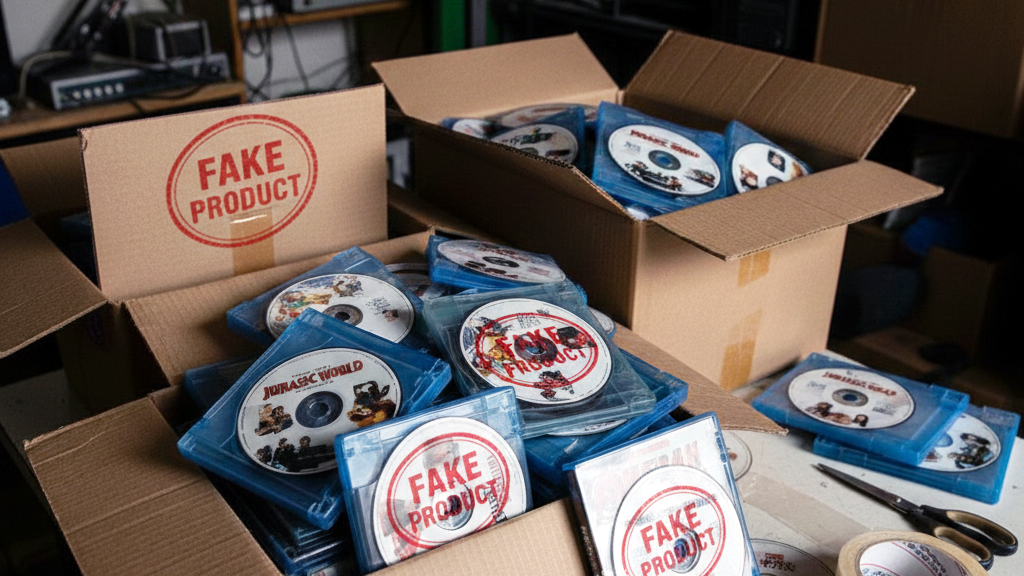
This is especially common with DVDs. Counterfeit DVDs are everywhere.
If you see:
- Massive ROI
- Brand new listings
- Stock photos
- Low-feedback sellers
Be extremely cautious.If it smells off, pass on it.
There are plenty of safe deals out there.
Download my FREE DVD prevention guide here
Mistake #8: Not Checking Condition, Photos, and Seller Feedback
New sellers often rush into buying deals.
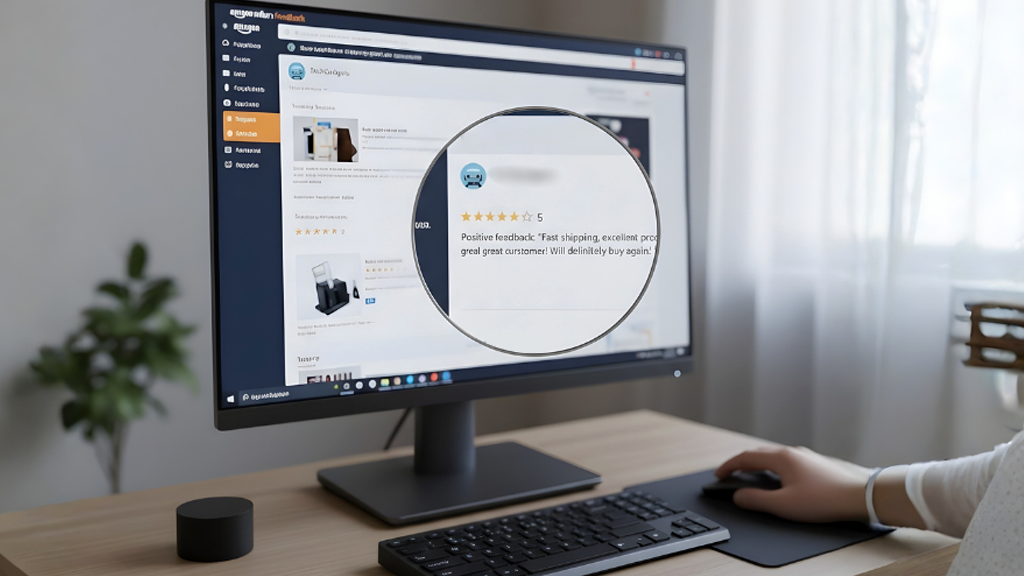
Before you buy, always:
- Check all photos
- Zoom in
- Read the description
- Review seller feedback
Amazon is strict about condition.
Make sure what you’re buying matches how you plan to list it.
You’ll get faster with experience, but early on, slow down and double-check everything.
Mistake #9: Not Having an Organization System
This one can completely wreck your business if you ignore it.
When you’re buying from eBay:
- Boxes start piling up
- Tracking numbers get lost
- You forget what you ordered
You need a system.
Whether it’s a spreadsheet or a tool like my E2A MasterSheet, you must track:

- Purchases
- Tracking numbers
- Delivery status
- Item condition
Without organization, things spiral fast.
Mistake #10: Not Tracking Your Real Profit

Last but not least, you need to know if you’re actually making money.
Sales screenshots mean nothing.
You need to track:
- Cost of goods
- Amazon fees
- Returns
- Lost items
- Overhead
That’s why I recommend Sellerboard once you start growing.
It shows you real net profit, not just revenue.
You might be shocked by what you find.
Final Thoughts

If you avoid these mistakes in your first 90 days, you’ll save yourself a ton of money, stress, and frustration.
Take it slow.
Build confidence.
Focus on consistency.
If you have questions, join the free Facebook group and tag me.
I’m happy to help.
Hope this post helps, and I’ll see you in the next one.

Hey, I’m Steve
I'm just an average guy who reached a point in life where I grew weary of the corporate grind and decided to forge my own path.

Welcome to my website where I share my journey as an entrepreneur and offer support to those who aspire to start their own businesses and transform their lives, just like I did.
I understand the challenges and frustrations that come with breaking away from the traditional nine-to-five routine. That's why I created this platform – to provide inspiration, guidance, and practical tips to help you navigate the exciting world of entrepreneurship.






360 Bloomfield Ave, Suite 301,
Windsor, CT, 06095, United States
© Copyright 2026 | All Rights Reserved