When you sell on Amazon, one of the biggest decisions you will make is whether to use FBA or FBM.
Both models can work.
Both models can be profitable.
And both models come with tradeoffs that can either help your business grow faster or create unnecessary headaches depending on how you operate.
Some sellers love FBA because it gives them freedom, automation and the ability to step away from the business.
Others prefer FBM because it gives them more control, faster cash flow and fewer costly surprises.
The truth is, there is no universal winner.
The best option depends on your goals, your personality, your margins, your cash flow and how involved you want to be in the day-to-day side of the business.
In this post, I’m going to break down the real pros and cons of FBA vs FBM based on a roundtable discussion with experienced Amazon sellers using both models.
Some are doing over seven figures with FBA.
Others are doing over seven figures with FBM.
So this is not theory.
These are real opinions from sellers who are in the trenches every day.
Watch Video Below
(Click Here to Watch on YouTube)
What is FBA?
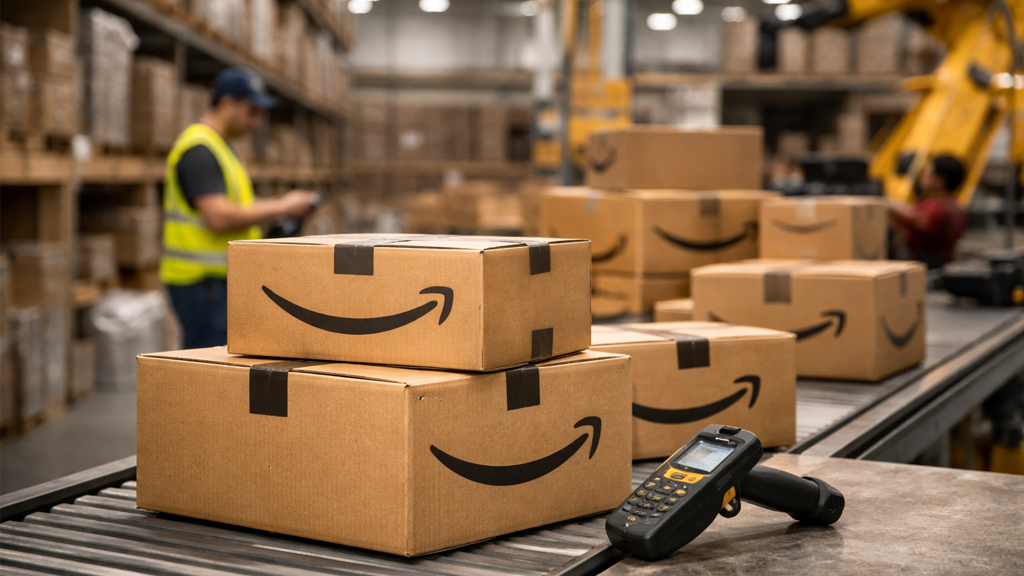
FBA stands for Fulfillment by Amazon.
With FBA, you buy inventory, prep it and send it into Amazon’s warehouses.
Once it arrives, Amazon stores it, ships it to customers, handles most customer service issues and processes returns.
That is why so many sellers are attracted to it.
On the surface, it feels like the more scalable and hands-off option.
You are letting Amazon take care of the operational side so you can spend more time sourcing inventory, managing your team and growing the business.
For many sellers, that is exactly why FBA makes sense.
What is FBM?
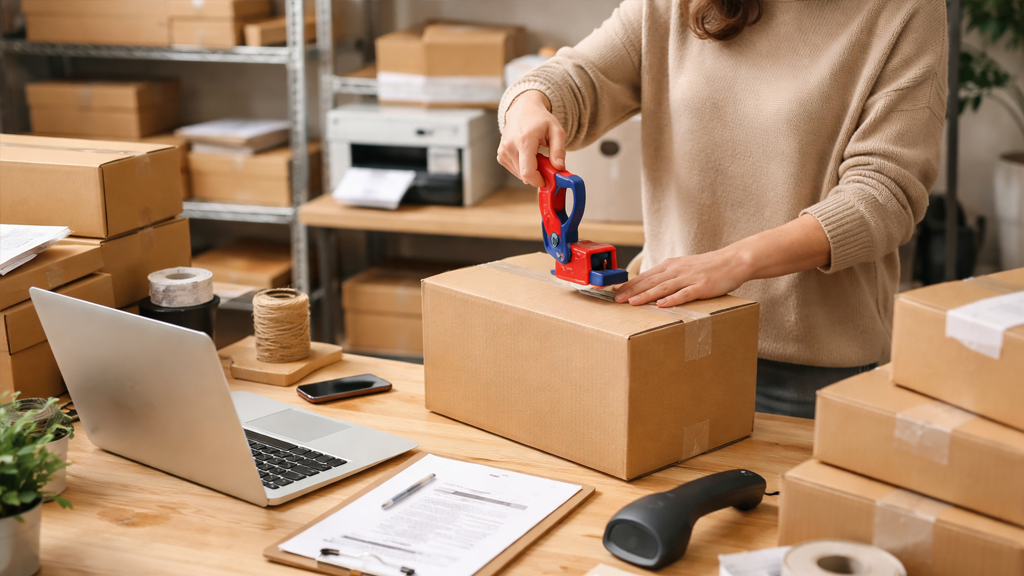
FBM stands for Fulfilled by Merchant.
With FBM, you keep the inventory yourself or have it stored somewhere you control.
When an item sells, you or your team pack it up and ship it directly to the customer.
This model requires more involvement, but it also gives you more control over your products, your packaging, your returns and your cash flow.
A lot of sellers overlook FBM because they assume it is too much work.
That can be true if you do not have systems.
But when the systems are in place, FBM can be extremely profitable and surprisingly efficient.
Who is FBA Best For?

FBA is usually best for sellers who want more freedom in their day-to-day schedule and who are willing to give up some control in exchange for convenience.
If you want to travel, outsource heavily, use prep centers and avoid handling every order yourself, FBA can be a great fit.
It also works well for sellers who do not want their house, garage or office full of inventory.
You can build a business that feels more digital and less physical.
That said, FBA tends to work best when you understand the hidden costs and build enough margin into your sourcing to absorb them.
Who is FBM Best For?

FBM is usually a better fit for sellers who value control, tighter margins, faster inventory turns and lower dependency on Amazon’s warehouses.
If you want to inspect what you are selling, package it properly, reduce return abuse and keep the inventory in your hands, FBM has some serious advantages.
It can also be a great starting point for newer sellers who need to move inventory quickly and keep cash flow strong.
FBM is not just for small sellers either.
There are sellers doing massive numbers with this model.
The difference is they have strong systems, organized storage, clear shipping processes and a good understanding of how to protect themselves.
The Biggest Benefits of FBA

There are a lot of reasons why sellers choose FBA and most of them come back to one word.
Freedom.
1. You do not have to store all the inventory at home
This is a huge advantage for many sellers.
If you do not want your living space taken over by boxes, shelves and shipping supplies, FBA is attractive.
Once your items are sent in, Amazon takes over the storage side.
That can make your business feel much cleaner and easier to manage.
2. You can outsource more of the business
FBA makes it easier to build a team around the business.
You can use VAs for sourcing, a prep center for handling the products and Amazon for fulfillment.
That means you can remove yourself from more of the physical work.
For sellers who want to focus on buying and scaling instead of packing and shipping, this is one of the biggest selling points.
3. It gives you more flexibility in your schedule
Several sellers in the discussion pointed out that FBA makes it much easier to travel, spend time with family, or work on other things without the business stopping.
Your items can still sell while you are away.
You are not tied to a daily shipping schedule.
You do not have to rush home to pack orders.
That kind of flexibility matters a lot, especially if you have kids, other businesses, or just want a less hands-on lifestyle.
4. You may get a Prime advantage
FBA listings are Prime eligible, and that can help with conversion.
Customers trust Prime shipping and in many cases they prefer the speed and simplicity that comes with it. That can sometimes help FBA sellers move inventory faster or hold a slightly higher price.
This is not true on every listing, but it can absolutely matter in competitive categories.
5. There is less day-to-day shipping friction
With FBA, you do not have to print labels every day, find sold items, box them up and make constant shipping runs.
That removes a lot of repetitive work from the business.
Instead of reacting to orders all day, you can batch your inventory prep and move on.
The Biggest Benefits of FBM
This is where a lot of sellers change their opinion once they really understand the model.
FBM gives you something that FBA cannot.
Control.
1. You stay in control of your inventory
When you do FBM, your inventory is with you.
That means you can inspect it before it goes out, package it how you want and verify exactly what is being shipped.
You are not relying on a warehouse worker to make good decisions with your products.
You are not hoping Amazon stores it properly.
You are not wondering if it got lost, miscounted, or damaged in a fulfillment center.
That control alone can save a lot of money.
2. Cash flow is faster
This is one of the biggest advantages of FBM and it does not get talked about enough.
With FBM, you can receive inventory, list it, sell it, and ship it almost immediately.
That means you can turn your money much faster.
With FBA, there is usually a much longer delay. Y
ou buy the product, ship it to a prep center or prep it yourself, send it to Amazon, wait for check-in, wait for availability and then wait to get paid.
That slower cycle can really limit how fast you scale.
FBM gives you the ability to flip capital much faster, which is a major advantage if you are trying to grow aggressively.
3. You can protect your margins better
A lot of the sellers on the panel felt strongly that FBM gives them more ways to protect profit.
You can package fragile items more carefully.
You can reduce damage.
You can often keep return rates lower.
You can charge restocking fees in the right situations.
You can make better decisions when something comes back.
With FBA, there are a lot more leaks in the system.
With FBM, you can tighten those leaks.
4. You can reduce return abuse
This was another major point.
With FBA, Amazon is extremely customer friendly. That often means customers can return items easily, even when they should not.
With FBM, you have more control over how returns are handled.
If an item comes back opened, damaged, swapped, or clearly used, there are situations where you can protect yourself much better than with FBA.
That difference adds up over time.
5. You can sell the inventory elsewhere if needed
If an item stops making sense on Amazon, you still have it.
That means you can move it to eBay, Walmart, Mercari, or another channel if needed.
When inventory is stuck in FBA, that flexibility goes away unless you create removals and wait for the items to come back.
That may not sound like a big deal until you need it.
Then it becomes a very big deal.
The Biggest Risks of FBA
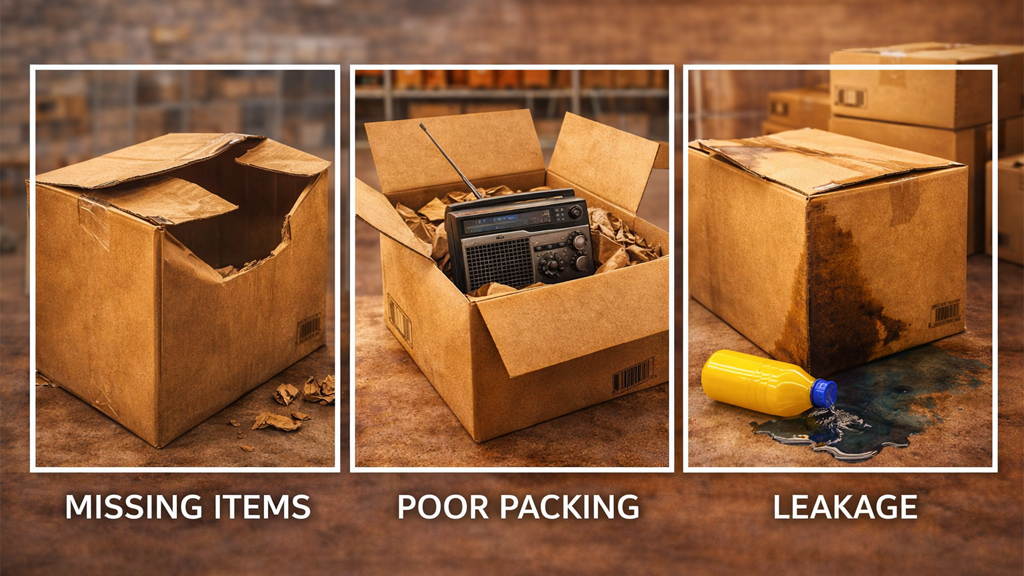
FBA has real benefits, but it also comes with real risk.
1. Amazon can lose or damage your inventory
This happens more than people think.
Boxes can go missing.
Units can be miscounted.
Products can get damaged.
Returns can be processed badly and relisted in poor condition.
And when that happens, the process to get reimbursed is often frustrating and time consuming.
2. Amazon may package your items poorly
This was mentioned repeatedly in the discussion.
Amazon might put a fragile item in a poly bag, ship something in an oversized box without enough protection, or apply a label directly onto retail packaging.
When that happens, the customer gets a damaged item and you get the return.
That is not a small issue. It directly affects profitability.
3. FBA usually comes with more margin leakage
Between prep costs, FBA fees, return handling, lost units, storage costs and reimbursement problems, FBA can quietly eat away at your net profit.
Many sellers do not notice how much until they really track the numbers.
This is why a lot of experienced FBA sellers insist on higher ROI and stricter sourcing criteria.
They know those leaks are coming.
4. Account issues can trap your inventory
This is one of the scariest parts of FBA.
If Amazon flags your account, hits you with a review, or suspends you, your inventory can become stuck in their system.
That means your products are not in your hands, and your cash is tied up.
If you are not financially prepared for that kind of situation, it can put you in a very tough spot.
The Biggest Risks of FBM
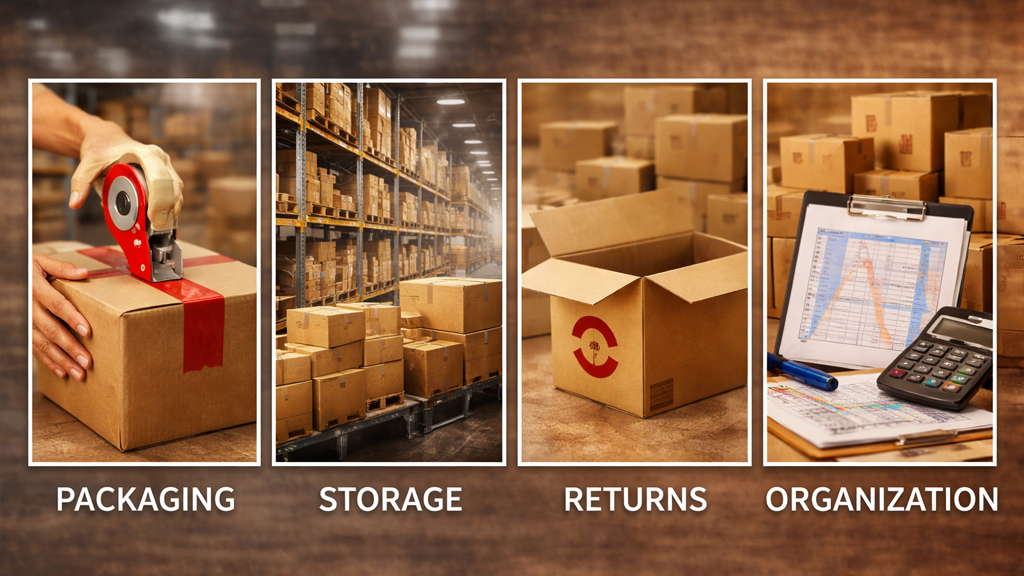
FBM has advantages, but it is not perfect.
1. It requires stronger systems
You need to know where your inventory is.
You need to ship on time.
You need to handle customer messages properly.
You need a clear process for packaging, storage, returns, and organization.
If you do not have those things, FBM can turn into chaos quickly.
2. It is more operationally demanding
Even if you eventually build a team around it, FBM still requires more involvement in the physical side of the business.
That may not fit your personality or lifestyle.
Some sellers simply do better when they are not tied to fulfillment.
3. You need space
At some point, FBM takes room.
That might mean shelves, bins, boxes, a garage setup, or even rented space.
If you are trying to scale in a small apartment or already feel cramped, space becomes a real constraint.
4. You are responsible for execution
When you do FBM, there is no passing the blame.
If an order ships late, that is on you.
If the item cannot be found, that is on you.
If your systems are messy, that is on you.
Some sellers love that level of ownership.
Others would rather let Amazon handle it.
Return Rates, Control, and Cash Flow

If I had to pick three topics that matter most in this debate, it would be these.
Return rates
Many sellers using FBM feel they can keep return rates lower because they control packaging, inspect the products and have more ability to protect themselves from abusive returns.
FBA sellers often deal with more return-related problems simply because Amazon makes the process so easy for the customer.
Control
This might be the single biggest difference between the two models.
FBA gives you convenience, but you lose control.
FBM gives you control, but you take on more responsibility.
That is the tradeoff.
Cash flow
FBM usually wins here.
Being able to buy, list, sell, and ship faster gives you a stronger cash conversion cycle.
That can make a huge difference if you are trying to scale aggressively or operate with less capital.
Can You Do Both?

Yes, and for some sellers, this may actually be the smartest option.
You do not have to be all-in on one model forever.
Some sellers use mostly FBA but keep certain products as FBM.
Others use mostly FBM but send select items into FBA to capture extra volume, the Prime advantage, or better sales velocity during peak seasons.
A hybrid model can help you balance risk and reward.
It can also give you more flexibility as your business grows.
If you are not sure which route to take, this may be the most practical middle ground.
Final Thoughts on FBA vs FBM
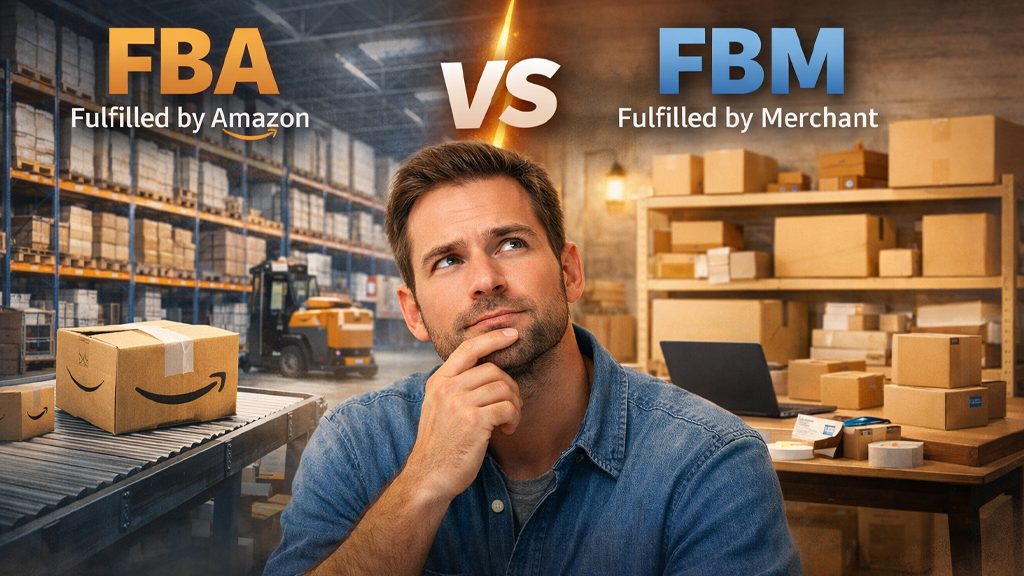
So which one is better?
It depends.
If you value freedom, travel, outsourcing, and a more hands-off business, FBA is incredibly attractive.
If you value control, faster cash flow, tighter margins, and fewer surprises, FBM can be extremely powerful.
Neither model is perfect.
Neither model is automatically better.
The real question is this:
Which model fits the kind of business you want to build?
Because the best fulfillment strategy is not the one that sounds coolest on YouTube.
It is the one that matches your goals, your strengths, and your risk tolerance.
For some sellers, that will be FBA.
For others, it will be FBM.
And for many, it may end up being a combination of both.
If you are newer and trying to decide where to start, FBM may help you learn faster, move cash faster, and keep more control in the early stages.
If you are more established and want more flexibility, FBA may help you build a more automated operation.
Just make sure you understand what you are gaining and what you are giving up.
That is the part that matters most.

Hey, I’m Steve
I'm just an average guy who reached a point in life where I grew weary of the corporate grind and decided to forge my own path.

Welcome to my website where I share my journey as an entrepreneur and offer support to those who aspire to start their own businesses and transform their lives, just like I did.
I understand the challenges and frustrations that come with breaking away from the traditional nine-to-five routine. That's why I created this platform – to provide inspiration, guidance, and practical tips to help you navigate the exciting world of entrepreneurship.






360 Bloomfield Ave, Suite 301,
Windsor, CT, 06095, United States
© Copyright 2026 | All Rights Reserved